It Starts with Silence: What Women Don’t Get Told
Part One of a three-part series on how the system fails women’s health
What were you told when you started your periods?
I was 11 and had no idea – back then, I was thought to be “too young” to worry.
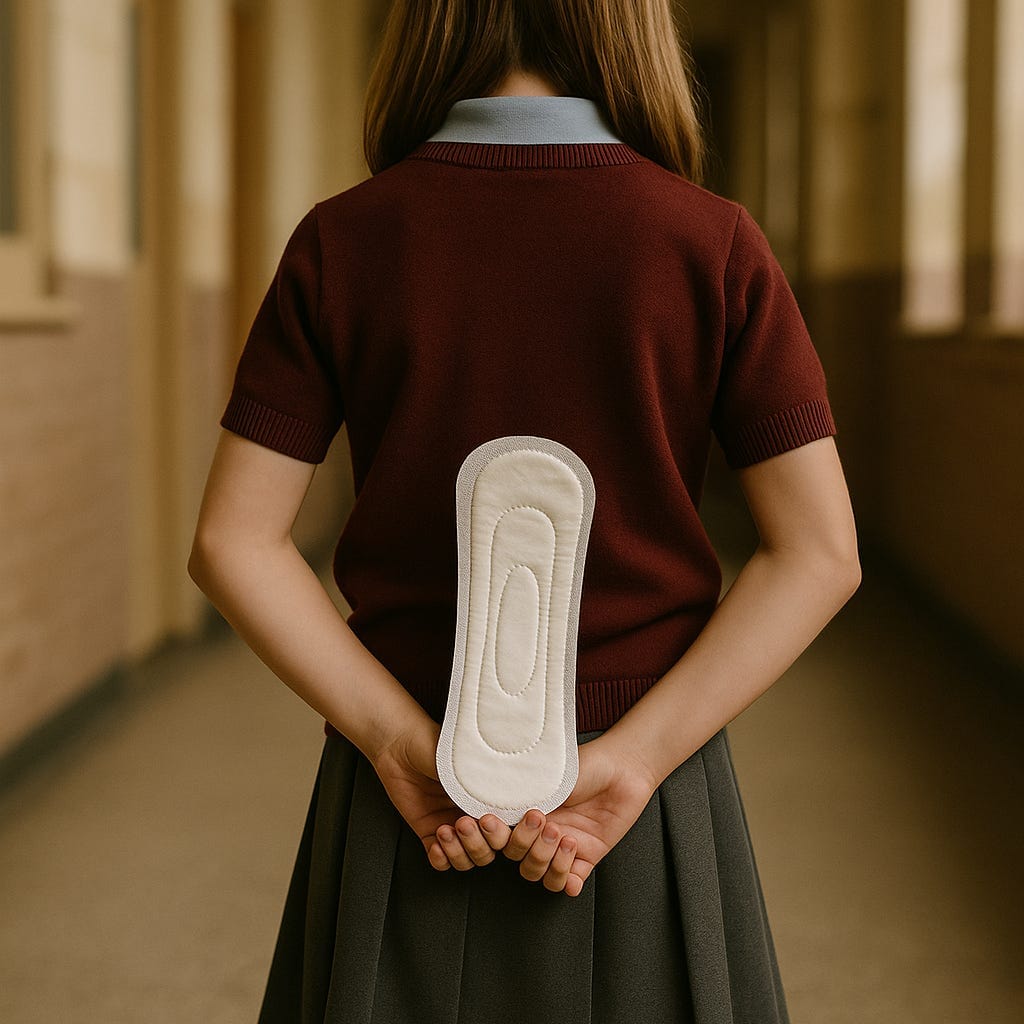
So I was hastily given “the talk” and then handed a pad and a sanitary belt to hold it in place. The pad was so thick it was like walking around with a mattress between my legs.
Oh, and I was told to keep it to myself.
That was it.
Shamed, dismissed and disbelieved
We’re not told much. Periods arrive and we’re handed a pad, maybe a leaflet, and left to get on with it. It’s natural, after all.
No one mentions that the pain might be more than “just cramps” or that heavy bleeding might wreck our iron levels or that PMS could be PMDD.
Up to 20% of menstruating women experience severe PMS symptoms, yet most are never diagnosed. No one mentions that what we think is “normal” might actually be a health problem.
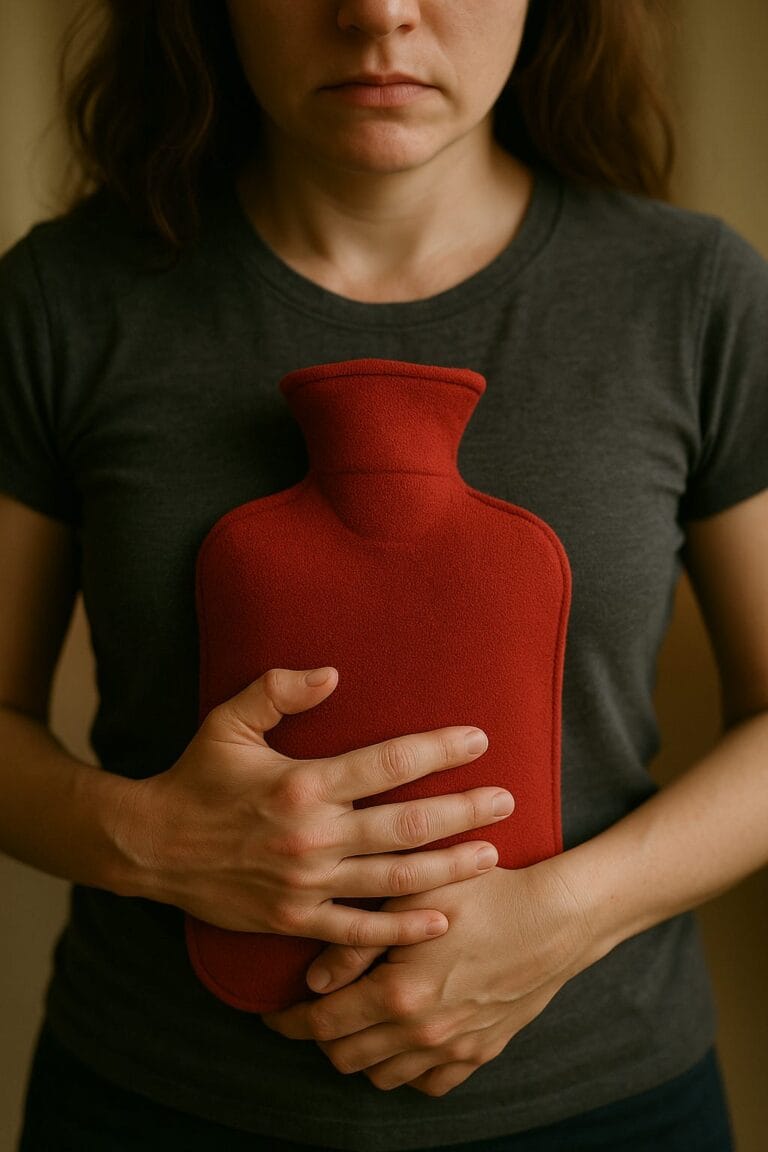
Period pain had me doubled over, with black moods hanging over me like Eeyore’s cloud. I was “pain-shamed” during school PE lessons when the teacher told me that “exercise is good for period pain” – and that next time, she would ignore my mother’s letter and make me take part.
For years, I believed I was being lazy. Until I discovered that yes, heavy exercise can make period pain worse for women with some conditions.
Doctors told me to take paracetamol and ibuprofen. In my 30s, I was finally prescribed mefenamic acid. The black moods stayed, but at least I wasn’t in agony – most of the time. Anyway, I thought the moods were just me.
Ten years later, I went to the doctor with hair loss. Then joint pain. Then tears. And then palpitations so scary I ended up in A&E.
“Do you worry a lot about your health?” I was asked.
Cue more tears because I’d finally got my answer: I was a malingerer. Or at least, that’s what the system had trained me to believe.
It took the start of hot flushes – and some late-night googling by my husband – to discover that this was all menopause.
Delays by design
This isn’t just my experience. From the moment we start bleeding, we are taught to cope, conceal or shut up. We’re not allowed to ask questions or talk about the things that are happening to us. And when we do? We’re dramatic, or neurotic. Or just “the unlucky one”.
So we grow up thinking it’s us when really, it’s the system.
We have “women’s health specialists”, as if the health of 51% of society is some niche topic.
Endometriosis takes over eight years to diagnose.
PMDD diagnosis? You’re asked to track your symptoms for at least two months – but only after you already suspect PMDD exists.
As for menopause, one doctor told me she’d had more formal training on handling her budget.
And if you’re a woman of colour or from a working-class background, the wait gets longer. The outcomes get worse.
Left out of the story
But this isn’t about doctors and nurses – most are working under impossible pressures. I’ve long said that a 10-minute GP appointment doesn’t give anyone time to see the bigger picture: the patterns, the repeated symptoms, the slow drip of something being wrong.
It’s not the people. It’s the system they’re forced to work in – a system that simply wasn’t built with women in mind.
Our health isn’t under-researched by accident; it was designed that way. Until the 1990s, most clinical trials excluded women altogether. Even now, the number of women asked to take part is woefully low. Little wonder, then, that we experience adverse drug reactions at nearly twice the rate of men.
This isn’t just bad science; it’s dangerous.
Because what do we do? We stop asking and we “cope” with our pain, our fatigue, our depression.
The silence grows louder.
And then we’re told there’s no problem – because no one’s talked about it.
The silence serves a system that benefits when we don’t speak up. It keeps us small, compliant and sidelined and it makes us believe our health is less urgent, our pain less valid and our recovery less important.
But we’re not the women to stay quiet.
Enough coping and hiding. Enough being told to be quiet.
The system has been built on our silence.
We’re tearing it down.
—
This is the first part of a short series on the ways women’s health gets ignored, dismissed, or simply written out of history.
Next: Dismissed by Design: How the System Ignores Women’s Pain