It’s great we’re talking menopause. Let’s have some action too
Awareness opened the door. Now it’s time to push for policy, support and real change
Another day, another “I’m breaking the taboo and talking about menopause” post hits my social media feeds.
I get it – these messages still matter and it’s great to see so many people joining the menopause world.
It’s just… well… we are talking about menopause.
We’re talking about it in workplaces, in Parliament, in sitcoms, books, documentaries. On panels, podcasts, webinars. Across Instagram, LinkedIn, even TikTok.
It’s everywhere.
We. Are. Talking. About. Menopause.
And honestly? I want it to stop.
I know! Me! I’m the woman behind Pausitivity. The one who talks menopause to strangers in pubs. I’ve spoken at Westminster, been on BBC Breakfast, run awareness campaigns. Why would I want the talk to stop?
Because talking isn’t the problem; it’s the way we’re talking and who we’re talking to that is.
Outside the menopause bubble
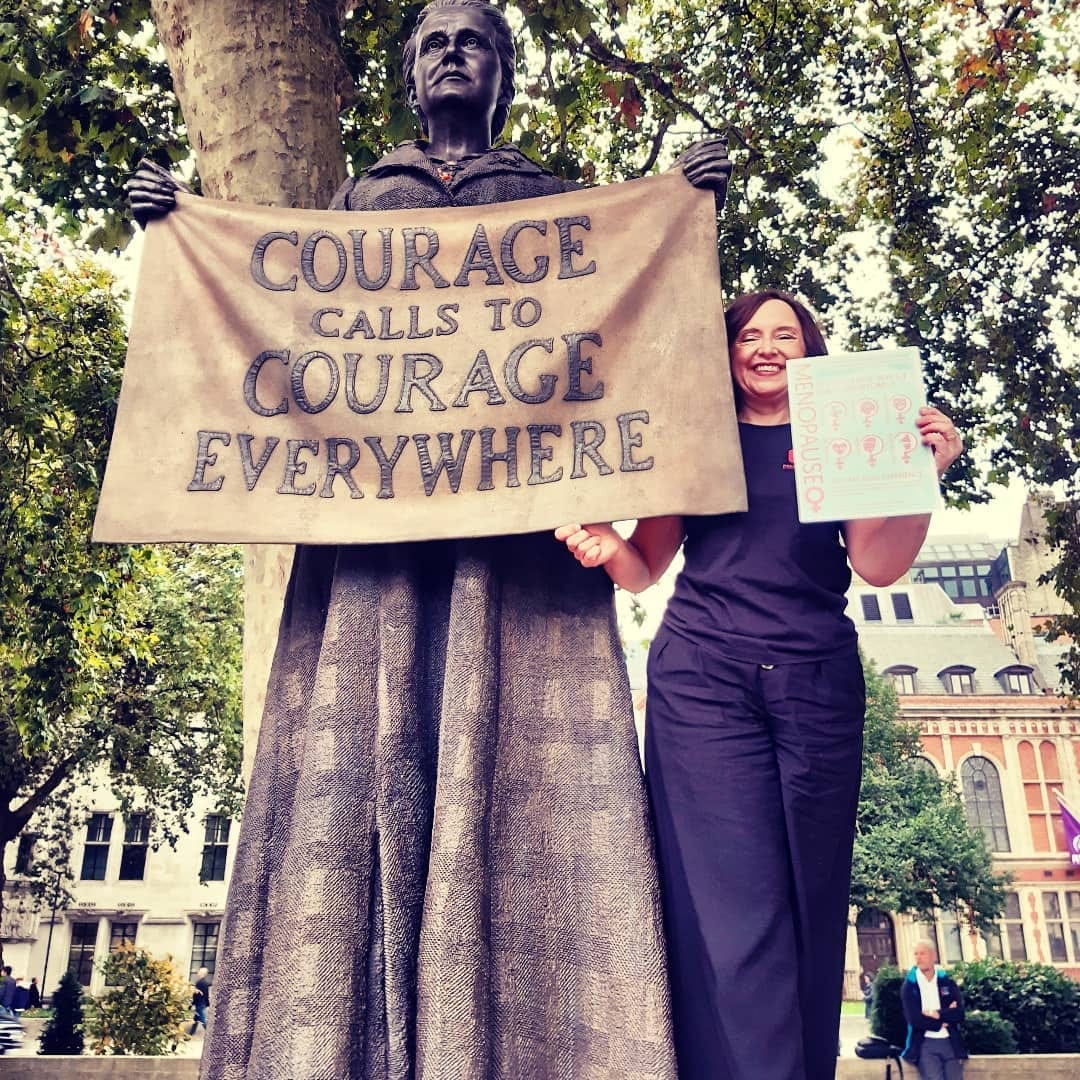
Let me take you back to World Menopause Day 2021. I was in London, Pausitivity leaflets in hand, ready to mark the occasion by raising awareness in person – not online. I set myself up at the Millicent Fawcett statue outside Parliament, our spiritual home, for protest.
“Happy World Menopause Day,” I said to the first passerby, holding out a flyer. “Know Your Menopause.”
Suddenly, I’d become a superhero – Ms Invisible.
The person walked straight by me without even a glance.
In total, I talked to five people: two fellow menopause campaigners who’d had similar ideas, a “not-there-yet” and an “over-that”, and an old war veteran who told me rather risky jokes.
Meanwhile, my phone pinged nonstop with hashtags and declarations of “breaking the taboo”.
The contrast said everything: we’re shouting into our own echo chambers.
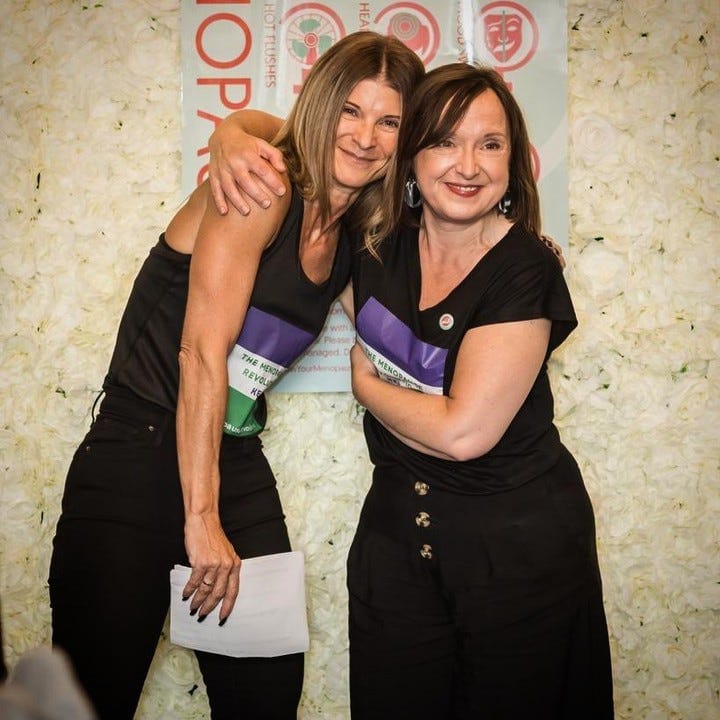
That night, I joined other menopause campaigners at an event full of sisterhood, support and empathy. But there’s one conversation that stands out to me.
The organiser – an amazing woman called Adelle Martin – and I were telling the story of how we first met and discussed ways of raising menopause awareness. I’d floated the idea of chaining ourselves to Parliament railings and Adelle had subtly queried if that wouldn’t end up with us getting arrested.
“Turns out, it would,” I told the crowd, laughing.
But I still wanted to do it. To do something that would get us out of hashtag-land and into spaces where power sits. Hashtags raise awareness and that’s vital, but policy change needs more than a trending topic.
A moment that changed me
Looking back, that was the moment that truly pushed me towards politics. Because I realised: talking only does so much.
After all, we’ve been talking for years, but I’m still hearing the same things:
- Women being offered antidepressants instead of HRT because their doctor hasn’t had enough training.
- Women leaving careers they worked bloody hard for because brain fog has floored them and there’s no support.
- Women gaslit into thinking their rage, anxiety, memory loss and joint pain are all part of “getting older”.
- Women who “don’t have time” for menopause because they’re caring for ageing parents, raising young kids, juggling divorce, homelessness, zero-hour contracts, food banks.
- Women navigating all this with added barriers: language, disability, discrimination. Women from marginalised groups who are hit hardest but heard least.
The problem isn’t a lack of talking. The problem is that the talk isn’t leading to change. We need braver talk. Blunter talk.
Talk that demands training for GPs. Specialist clinics. Consistent access to HRT. Workplaces that support.
And we need those in charge to listen. Listen properly.
Because if they were, we wouldn’t be begging for the basics. And we certainly wouldn’t be scrambling online at 2am trying to figure out why our bodies feel like they’re falling apart.
We’ve still got work to do
This isn’t a dig at other campaigners – far from it. I’m in awe of the brilliant advocates and activists who’ve spoken out, loudly and persistently. Today’s visibility is down to their hard work and determination and I applaud them all.
But awareness isn’t the finish line. It’s the starting point – and right now, too many women are still tripping over the same hurdles.
The truth is, menopause doesn’t affect everyone the same and the women who get platformed most often don’t reflect the ones hit hardest – not because they don’t care, but because the system still overlooks those with the least power.
The real conversation is shaped by class, race, disability, poverty and medical misogyny. It’s about misdiagnosis and trauma. About being dismissed. It’s about pain that isn’t believed and lives that aren’t seen.
That’s the conversation we need. And it doesn’t end with a like on a comment.
If we want anything to change, we have to stop pretending it’s about “talking” because those days are long gone. Now it’s about who’s heard, who’s helped and who’s still hurting.
So no, we don’t need to start talking about menopause. We need to start acting like it matters.