Scottish devolution: why power should be closer to local communities
Moving back to Scotland has been like putting on a comfy old pair of slippers – well, it is Mr E’s home country, so it’s not like we’ve been strangers over the last few years (and yes, that includes emailing Off the Ball from the terrace of our flat in Madrid to join in with the chat.)
One thing is different, however, this time we’re living in Fife and there’s one question that’s been bugging me:
Why does so much of Scottish politics seem to revolve around the Central Belt?
It’s a question that’s been on my mind with the events of the last couple of weeks. Andy Burnham argues that Britain won’t reach its potential while power remains concentrated in Whitehall, something I agree with and the new English Devolution and Community Empowerment Act largely reflects.
But it also raises another question: if power matters, shouldn’t we also ask how it’s distributed within Scotland?
Moving past the M8
I don’t mean that as a criticism of Glasgow or Edinburgh. I’ve worked in both, lived in one (and have family there) and they’re both fantastic cities that are hugely important to Scotland’s success.
But living an hour and a half-or-so away, you notice how much decision-making is concentrated around the M8 corridor.
Talk to people in Fife, Angus, the Highlands, the Borders or the Islands and you’ll hear a familiar frustration: decisions are made somewhere else, investment goes somewhere else, opportunity lies somewhere else.
Of course, that’s not always true. But it’s a perception that crops up again and again; so much so that it’s accepted as normal.
Geography shapes life chances in Scotland in a way we only seem to talk about in elections – when constituencies and regions have their say.
What Scottish devolution was meant to change
Devolution brought power from Westminster to Holyrood, but it hasn’t brought it closer to the communities that power was supposed to serve. It’s 30 years this month since I left Newcastle for Edinburgh and in that time, I’ve seen Scotland become more centralised, not less.
It wasn’t supposed to be that way. I can remember the excitement and anticipation at the opening of the Scottish Parliament, the sense that Scottish devolution meant the country would be able to look after its own with a seat of power right here.
Indeed, in those early years, Parliament even travelled across Scotland to hold sessions. As Sir David Steele, then Presiding Officer, said: “One of the parliament’s key guiding principles is the need for accessibility and this does not just mean providing public facilities in Edinburgh or the Central Belt. This is a parliament for the whole of Scotland.”
Holding Parliament in Glasgow had been “very successful”, he added, and showed what was possible when parliament and a local authority worked “in close co-operation”.
Fast-forward two decades and the idea that the Parliament could – or should – sit outside Edinburgh seems fanciful.
Local government: the missing layer of power
But it’s not just that the Parliament is now rooted in Holyrood; over the last two decades, Scotland’s local government has had its wings clipped and is now dependent on central government for many issues.
The clearest example is money: 80% of council funding comes from Holyrood, with council tax making up the rest. Even then, central government has had its say, including a nine-year council tax freeze. Promises to reform this deeply regressive tax have yet to happen (I won’t hold my breath… or go shopping on the proposed savings I’d get.)
In the meantime, local government is being asked to deliver more national government priorities while having less freedom to shape local ones.
And that’s a big problem because local government is a fundamental part of our everyday life. From when our bins get emptied to what leisure facilities we have or how our education system runs, it is local government that deals with the issues that most directly affect people’s daily lives.
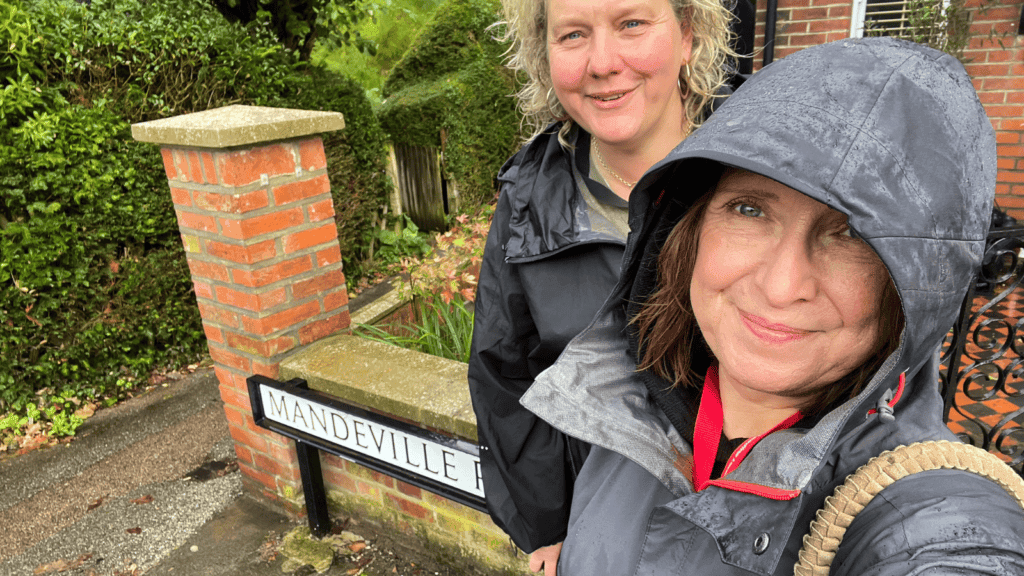
As a councillor, I walked through muddy fields designated for new homes and stood at roundabouts to see the impact of rush-hour congestions. As a regional journalist, I knew the names of our councillors better than those of the Cabinet because their decisions shaped the stories that mattered most to our readers
Where decisions actually meet daily life
Local government is politics at its most practical. Councillors talking to parents outside school gates or cursing the potholes they drive over daily understand problems that can’t be seen from an office in Edinburgh.
Living in North Fife has reminded me that good politics starts close to home. It starts with people who know why one bus route matters, why one GP surgery is struggling, why one school crossing needs fixing or why one housing development doesn’t quite work.
Devolution was never meant to be the end point. It was meant to be a shift in where power sits.
And if we believe, as Andy Burnham argues, that Britain works better when power is pushed out of Whitehall, then we should also be willing to ask whether Scotland works better when power is pushed beyond Holyrood too.
Do you agree? Leave me your thoughts below.
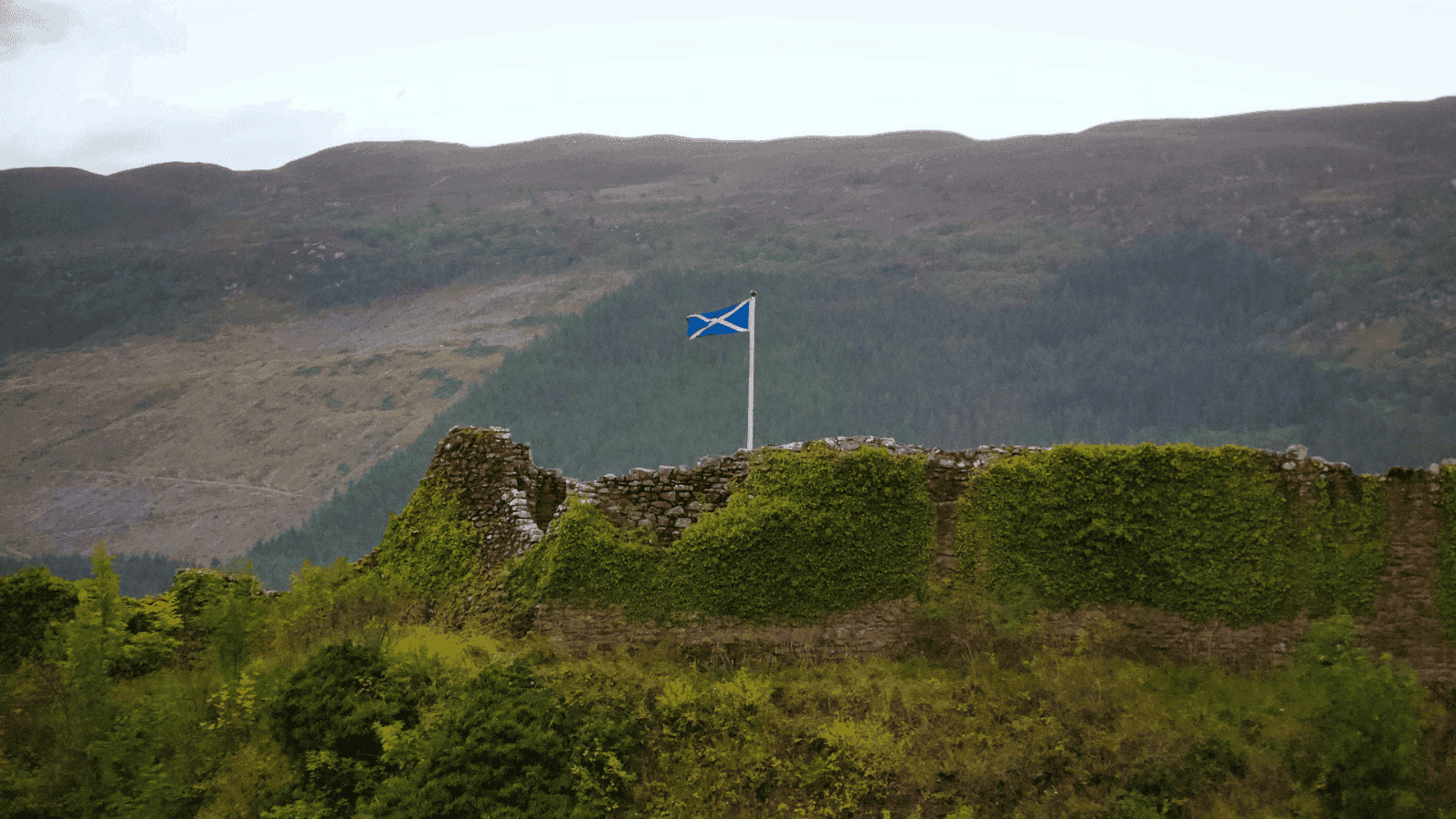
Main image: 𝕡𝕒𝕨𝕤 𝕒𝕟𝕕 𝕡𝕣𝕚𝕟𝕥𝕤 on Unsplash