Women’s health is more than motherhood – so why is the SNP still getting it wrong?
I didn’t think I could get more frustrated over the SNP scrapping a dedicated Women’s Health Minister, but this tweet from new Health Secretary Angela Constance did it.
“Six children between us”?
So that’s the qualification, is it? “We are mothers therefore we understand women’s health.”
Because if so, then women’s health has been reduced to one thing: reproduction
Not endometriosis. Not fibroids. Not PMDD, menopause or gynaecological cancers. Not heart disease, autoimmune conditions or any the long list of illnesses that disproportionately affect women.
Just motherhood.
That matters because language like that shapes what we think women’s health really is.
But here’s the real news story: women’s health is about the health of every woman, regardless of whether she has children.
We weren’t able to have children. It just didn’t happen.
But I still have a womb and I still spent decades at the mercy of hormones, living with undiagnosed PMDD before going through the hell that was my perimenopause. A hell that came into being largely because doctors first failed to spot the symptoms and then failed to treat it properly.
Throughout it all, I needed healthcare that understood women as patients, not simply as potential mothers. And with the passing of the years – hello the fear of osteoporosis – I continue to need that.
Now of course I’m not saying motherhood isn’t important. It absolutely is and I’m in awe of those who have given birth – the power of the female body is mind-blowing.
But it is not the be-all and end-all of women’s health.
There are countless women who desperately wanted children and couldn’t have them. Countless women living with reproductive conditions that affect fertility. Countless women who have lost their child. And countless women who chose not to have children.
Countless women whose health concerns have nothing to do with reproduction at all.
None of the health campaigns we’re seeing making an impact now – on menopause, endometriosis, lobular breast cancer – came about because women were mothers. They came about because we grew tired of having our health ignored, gaslit or dismissed.
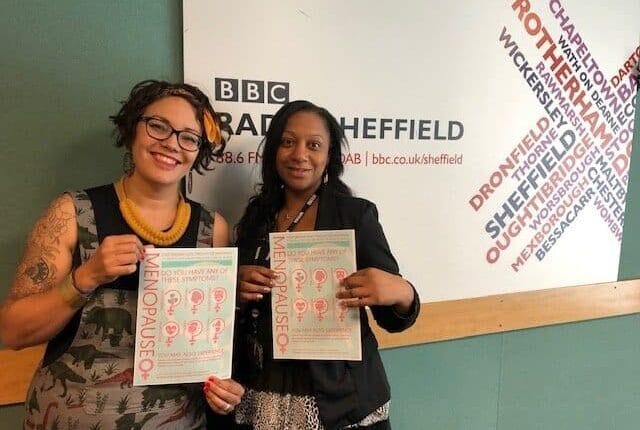
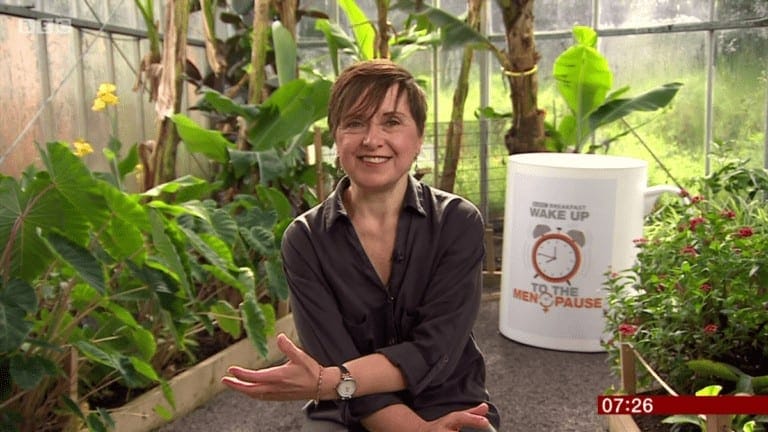
One of the reasons I started Pausitivity was because the only posters highlighting women’s health on display at my GP’s surgery were all to do with pregnancy, childbirth and childrearing. Nothing reflected the condition all women would go through, whether they’d had children or not.
The lack of posters wasn’t an accident; it was the result of a system that still too often sees women’s bodies primarily through their reproductive role.
It also taught me how important words are when it comes to women’s health – the language we use affects how society sees us and more importantly, how it treats us. That’s why a casual phrase like “six children between us” matters. In just a few words, women’s health shifted in focus from a broad area of healthcare affecting every woman, to something subtly narrowed and defined through motherhood.
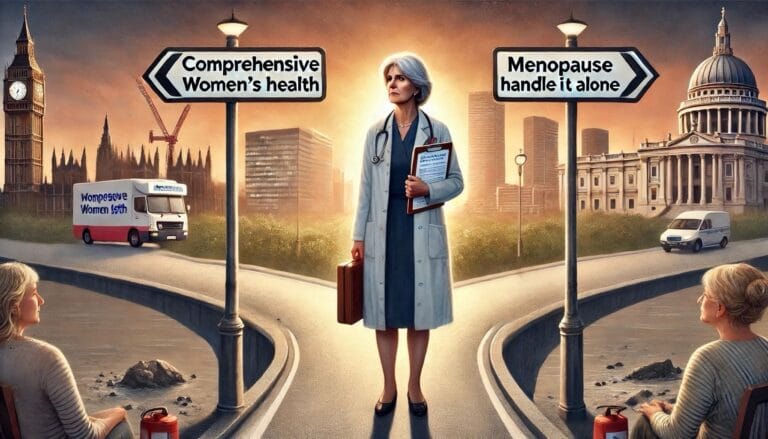
If this SNP Government wants women to feel confident that our health is a priority, it must show that it understands the breadth of women’s health – that it goes well beyond motherhood.
Women’s health is not a niche issue. It is not a maternity issue. It is not a fertility issue. It is the health of half the population.
And our healthcare policies – and our politicians – need to start treating it that way.
What does women’s health mean to you and has it ever felt reduced to motherhood? Share your thoughts in the comments.
If you care about women’s health being taken seriously in politics, you can sign up below to follow my writing and campaigning work.